
How can I maximise energy efficiency in my Conservatory?
Conservatories are a delightful addition to any home, offering a perfect blend of indoor comfort and outdoor views. However, they are often criticised for being energy inefficient, resulting in higher utility bills and an uncomfortable living environment. In this article, we will explore how to maximise energy efficiency in conservatories, boosting both comfort and property value.
Energy efficiency in a conservatory involves minimising heat loss in the winter and reducing heat gain in the summer. This balance ensures the conservatory remains usable year-round without excessively increasing energy costs. Modern conservatories can be designed or upgraded with energy-efficient features that not only enhance comfort but also increase the property’s value.
Energy-efficient conservatories are an asset to any home. They appeal to environmentally conscious buyers and can significantly increase your home’s resale value. With energy costs rising, potential buyers are more inclined to invest in a property that promises lower energy bills, making energy-efficient upgrades a wise investment.
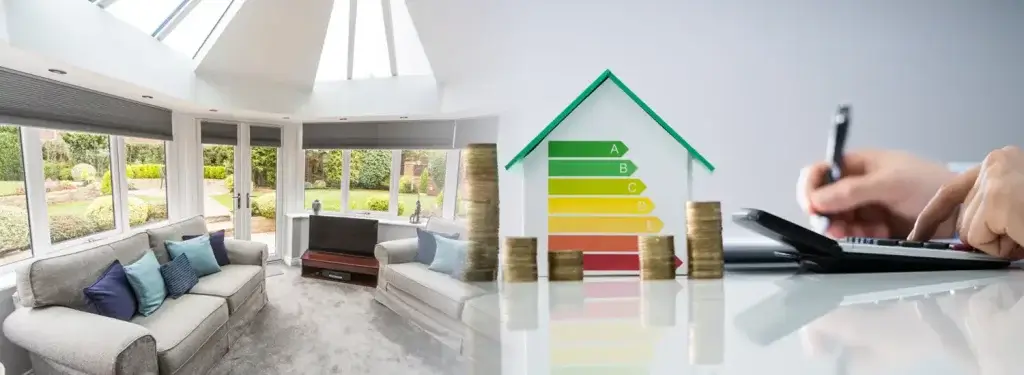
There are several key elements to consider when upgrading or designing an energy-efficient conservatory. These elements help in reducing energy consumption while maintaining a comfortable environment.
Windows are the primary source of heat loss and gain in a conservatory. Investing in energy-efficient windows is crucial. Double or triple-glazed windows with low-emissivity (Low-E) coatings are excellent options. These windows reduce heat transfer, keeping the conservatory warm in the winter and cool in the summer. Additionally, consider installing argon gas-filled windows for enhanced insulation.
Proper insulation is essential for any energy-efficient conservatory. This includes insulating the roof, walls, and floor. Opt for materials that have high thermal efficiency. For instance, a solid roof with insulated panels can dramatically reduce heat loss compared to a standard glass roof.
Conservatory specialists, Glevum Windows, offer the Ultraframe hup! A wall system which can make a new conservatory up to five times more energy-efficient than the average UK home. When paired with an Ultraframe solid roof, it results in the ultimate energy-efficient conservatory.
To maintain a comfortable temperature year-round, consider installing energy-efficient heating and cooling systems. Options such as underfloor heating or energy-efficient air conditioning systems can provide the necessary climate control without excessive energy use.
Solar control films can be applied to conservatory windows to reduce glare and heat gain from the sun. These films reflect a significant amount of solar radiation, helping to keep the conservatory cool during hot months without obstructing the view.
Implementing energy-efficient upgrades in your conservatory requires careful planning and consideration of your specific needs. Here are some practical steps to guide you through the process.
Begin by assessing your current conservatory setup. Identify the areas where energy loss is most significant. This could be through the roof, windows, or gaps in the structure. Understanding these weak points will help you prioritise upgrades.
Energy-efficient upgrades can be costly, but they are a worthwhile investment. Create a budget that covers essential upgrades, such as window replacement and insulation. Consider the long-term savings on energy bills when planning your budget.
While some upgrades can be DIY projects, others may require professional assistance. Using an established home improvement specialist with experience in energy-efficient home improvements, such as Glevum Windows, ensures the work is done correctly and efficiently.
In some regions, government incentives are available for homeowners who make energy-efficient upgrades. Research local programs that offer rebates or tax credits for installing energy-efficient windows, insulation, or other upgrades.
Beyond personal benefits, energy-efficient conservatories contribute to environmental sustainability. By reducing your home’s carbon footprint, you are helping combat climate change. This not only benefits the planet but can also enhance your home’s appeal to eco-conscious buyers.
Energy-efficient conservatories use less energy for heating and cooling, which reduces greenhouse gas emissions. By opting for sustainable materials and systems, you contribute to a cleaner environment.
Energy-efficient home improvements, like those in a conservatory, set an example for sustainable living. They encourage others in the community to consider similar upgrades, collectively reducing the community’s carbon footprint.
Maximising energy efficiency in your conservatory is a smart move for both comfort and financial reasons. By investing in energy-efficient windows, proper insulation, and efficient climate control systems, you can enjoy a comfortable conservatory year-round while also increasing your home’s value.
Energy-efficient conservatories are not just a trend; they are a step towards a more sustainable future. By making these upgrades, you contribute to environmental conservation while enjoying reduced energy bills and a more comfortable living space.
Remember, each improvement you make is a step towards enhancing your home’s efficiency and value. Take the time to assess, plan, and implement the necessary changes, and your conservatory will become a cherished part of your home for years to come.
If you have any questions or need guidance on upgrading your conservatory, visit the Glevum website at www.glevum.co.uk or call 0800 332255 to request a free, no-obligation home visit by one of their Conservatory experts.
